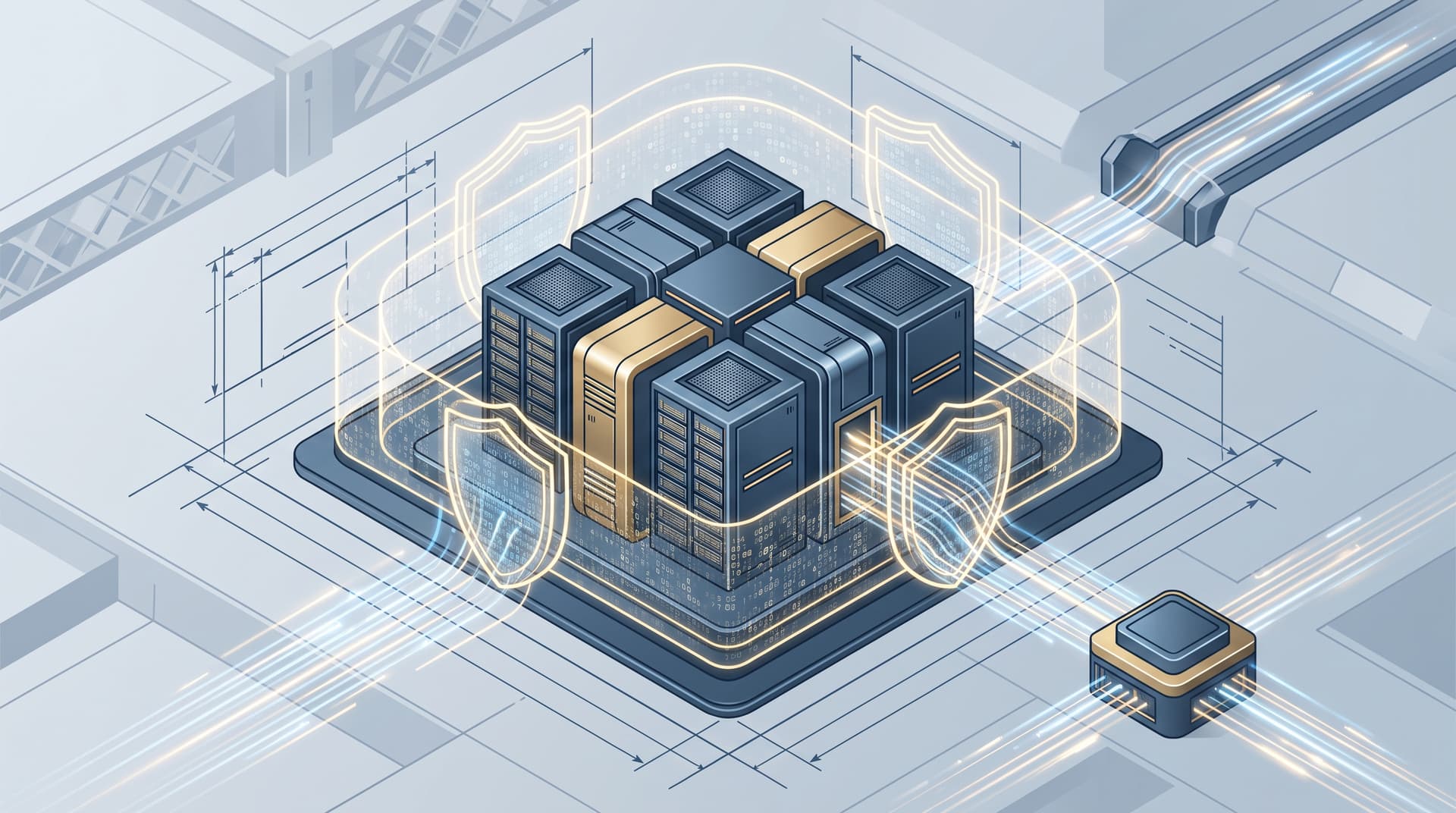
As we move through June 2026, cybercriminals are increasingly targeting small to medium-sized businesses (SMBs) across healthcare, manufacturing, and professional services. These sectors hold highly sensitive data and operationally critical assets, making them lucrative targets for advanced ransomware and sophisticated phishing campaigns. To outpace these threats, B2B technology decision-makers must transition from reactive postures to proactive, architecture-driven defense strategies.
The Escalation of Targeted Attacks
Recent intelligence indicates a surge in highly targeted phishing campaigns designed to bypass traditional email gateways. In healthcare, attackers seek patient records; in manufacturing, intellectual property and supply chain access; and in professional services, confidential client financial data. Once initial access is gained, threat actors rapidly deploy ransomware, threatening both data encryption and public extortion.
Securing the Modern Network and Endpoint
With remote and hybrid work environments now standard, the traditional network perimeter has dissolved. Endpoint security is no longer just about antivirus software; it requires continuous monitoring and behavioral analytics. Modern SMBs must deploy Endpoint Detection and Response (EDR) solutions that automatically isolate compromised devices before a localized breach becomes a company-wide disaster.
Implementing a Zero Trust Architecture
The core of modern cybersecurity is the Zero Trust framework. By operating on the principle of "never trust, always verify," Zero Trust ensures that every access request is fully authenticated, authorized, and encrypted before granting access. For a manufacturing plant or a healthcare clinic, this means strictly segmenting networks so that an infected administrative laptop cannot communicate with critical medical devices or industrial control systems.
Leveraging Azure M365 Security Frameworks
For organizations utilizing Microsoft's ecosystem, Azure M365 provides enterprise-grade security tools tailored for SMBs. Microsoft Entra ID enforces robust Conditional Access policies, mandating multi-factor authentication (MFA) based on user location, device compliance, and real-time risk assessments. Coupled with Microsoft Defender for Business, SMBs gain unified endpoint protection, anti-phishing capabilities, and automated investigation tools that significantly reduce the burden on internal IT teams.
Rapid Incident Response
Even with the best defenses, breaches can occur. A tested Incident Response (IR) plan is critical. SMBs must regularly simulate cyberattacks to ensure their teams know exactly how to contain a threat, communicate with stakeholders, and restore operations from immutable backups without paying a ransom.
Secure Your Future
The threat landscape will continue to evolve, but your defenses can stay one step ahead. By adopting a Zero Trust mindset and maximizing your Azure M365 investments, you can safeguard your critical assets.
Ready to fortify your organization against mid-2026 cyber threats? Book a discovery call with Bitscaled today to evaluate your security posture and implement a resilient defense strategy.