The Intersection of ERP Availability and Shop-Floor Reality
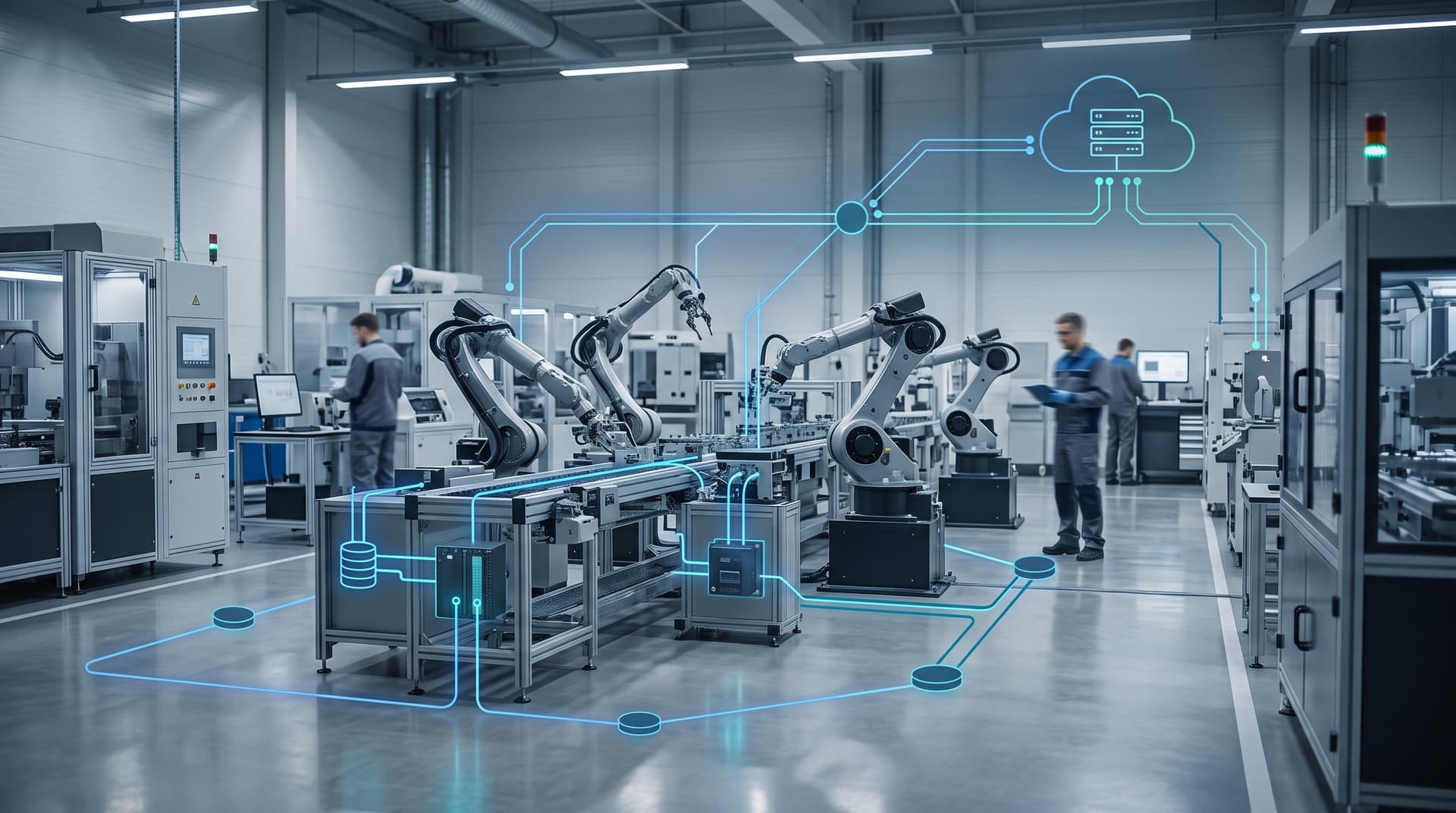
In advanced manufacturing environments, enterprise resource planning (ERP) systems are no longer passive back-office engines. They dictate real-time production schedules, inventory replenishment, material staging, and quality assurance workflows. When an ERP system becomes sluggish or unavailable, the downstream impact on operational technology (OT) is immediate: work-in-progress (WIP) stalls, automated pickers pause, and shipping docks back up.
Achieving true operational resilience requires plant managers and OT leads to view IT infrastructure through a production-first lens. Aligning enterprise systems with shop-floor operations demands deliberate architecture, strict perimeter controls, and shared governance between IT and plant operations.
Framing the Total Cost of Production Stalls
Evaluating system downtime through a simple hourly overhead calculation drastically underestimates the true impact of an outage. When network latency or ERP instability halts a manufacturing line, the financial and operational drag ripples through multiple layers:
- Scrapped Materials & Rework: Sudden halts in continuous processes or thermal cycles often ruin raw materials currently in production, requiring complete line purges.
- Cascading Logistics Penalties: Delayed output impacts downstream customer delivery schedules, leading to expedited freight costs and missed service-level agreement (SLA) terms.
- Labor Inefficiencies: Specialized operators and maintenance teams are forced into idle standing time while system state restorations take place.
- Upstream Supplier Backlogs: Delayed intake schedules force tier-one and tier-two suppliers to adjust staging, disrupting broader supply chain rhythms.
Quantifying these factors establishes a clear business case for high-availability IT/OT architecture.
Architecting Defensible OT/IT Boundaries
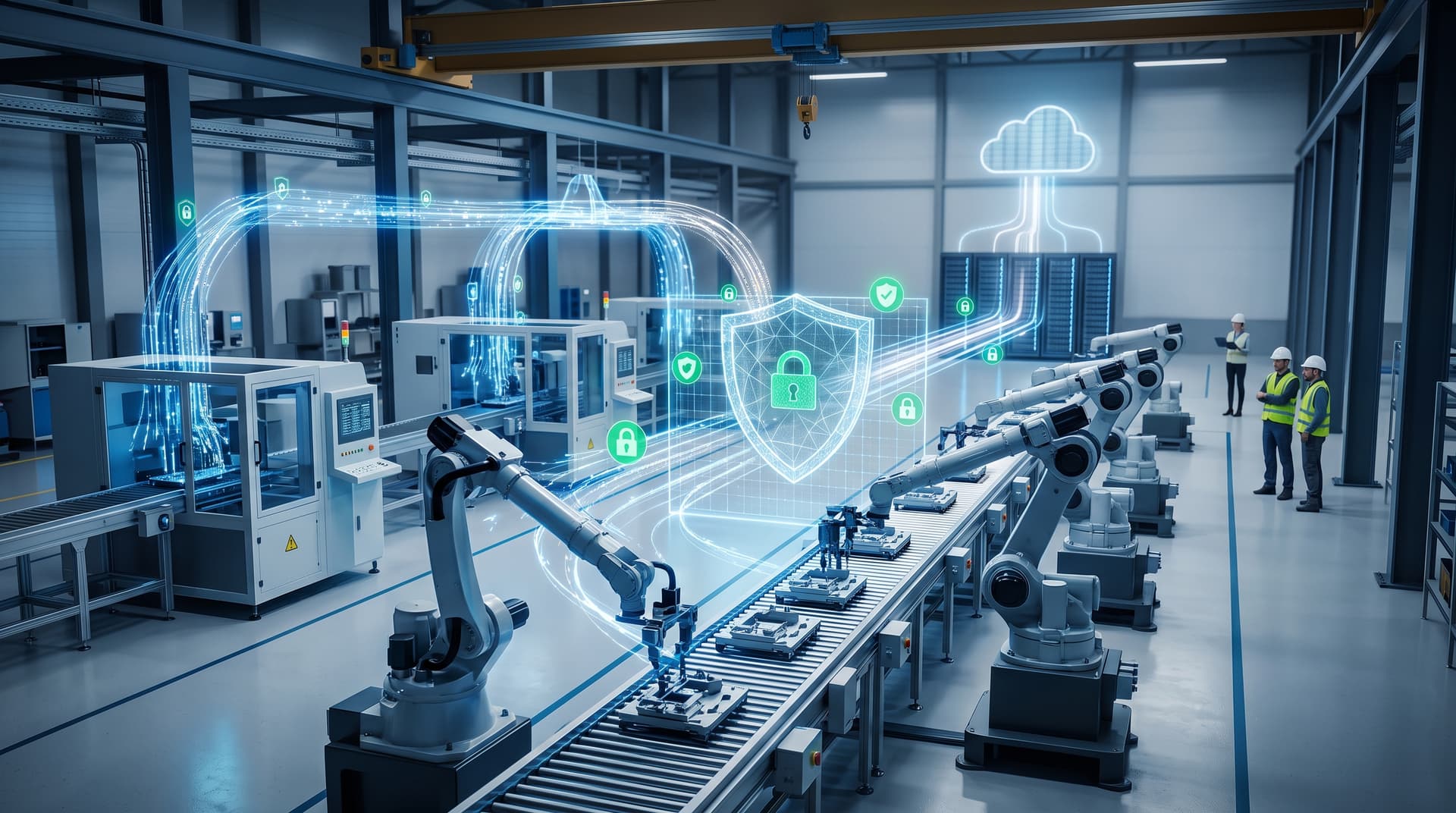
Integrating plant networks with enterprise IT does not mean exposing control loops to corporate broadcast domains. Direct connectivity between programmable logic controllers (PLCs), human-machine interfaces (HMIs), and enterprise software introduces unacceptable security risks.
To preserve plant uptime, organizations must implement structured micro-segmentation based on the Purdue Model framework:
- Industrial Demilitarized Zone (iDMZ): Position jump servers, data historians, and API gateways within a dedicated iDMZ. Systems on the plant floor should never communicate directly with enterprise ERP databases.
- Strict Firewall Enforcement: Enforce bi-directional traffic filtering that blocks arbitrary outbound connections from OT subnets to corporate or external internet locations.
- Zero Trust Network Access (ZTNA): Replace broad VPN connections with granular session-based access controls for remote vendor diagnostics and internal engineering teams.
Coordinated Maintenance and Patching Windows
Unscheduled system reboots caused by automated patch management can devastate a active production run. Conversely, postponing critical OS and infrastructure updates leaves systems vulnerable to disruptive ransomware attacks.
To solve this, IT and OT teams must establish synchronized change-management protocols:
- Staggered Redundancy: Deploy high-availability ERP clusters that allow rolling node updates without interrupting database write availability for shop-floor transactions.
- Change Windows Tied to Shift Rotations: Align routine server maintenance with planned tooling changes, shift transitions, or scheduled plant changeovers.
- Isolated Staging Validation: Test updates in an isolated staging environment simulating edge industrial software before deploying patches to live production nodes.
Securing Supplier Portals and Ecosystem Access
Modern manufacturing relies heavily on external vendors and supply chain portals for real-time vendor-managed inventory (VMI) and just-in-time delivery. External access points are frequent targets for lateral network attacks.
Hardening supplier access requires:
- Principle of Least Privilege: Limit supplier portal permissions strictly to the inventory databases and work orders relevant to their scope.
- Multi-Factor Authentication (MFA): Mandate hardware-token or phishing-resistant MFA for all external supply-chain users.
- Session Monitoring and Auditing: Record and log all third-party administrative sessions into sensitive production-adjacent environments.
Next Steps for Manufacturing IT Resilience
Ensuring high ERP availability while protecting delicate shop-floor operations requires focused technical strategy and constant alignment between IT engineering and plant operations.
Stabilize production systems with Bitscaled manufacturing IT programs.