The landscape of artificial intelligence and automation has shifted from experimental technology to an essential business driver. As of mid-2026, small and medium-sized businesses (SMBs) across healthcare, manufacturing, and professional services are uniquely positioned to leverage Intelligent Process Automation (IPA) to close the operational gap with enterprise competitors. However, successful adoption requires more than just purchasing new software; it demands a strategic alignment of AI capabilities, operational needs, and rigorous cybersecurity frameworks.
Moving Beyond RPA: The Rise of Intelligent Process Automation
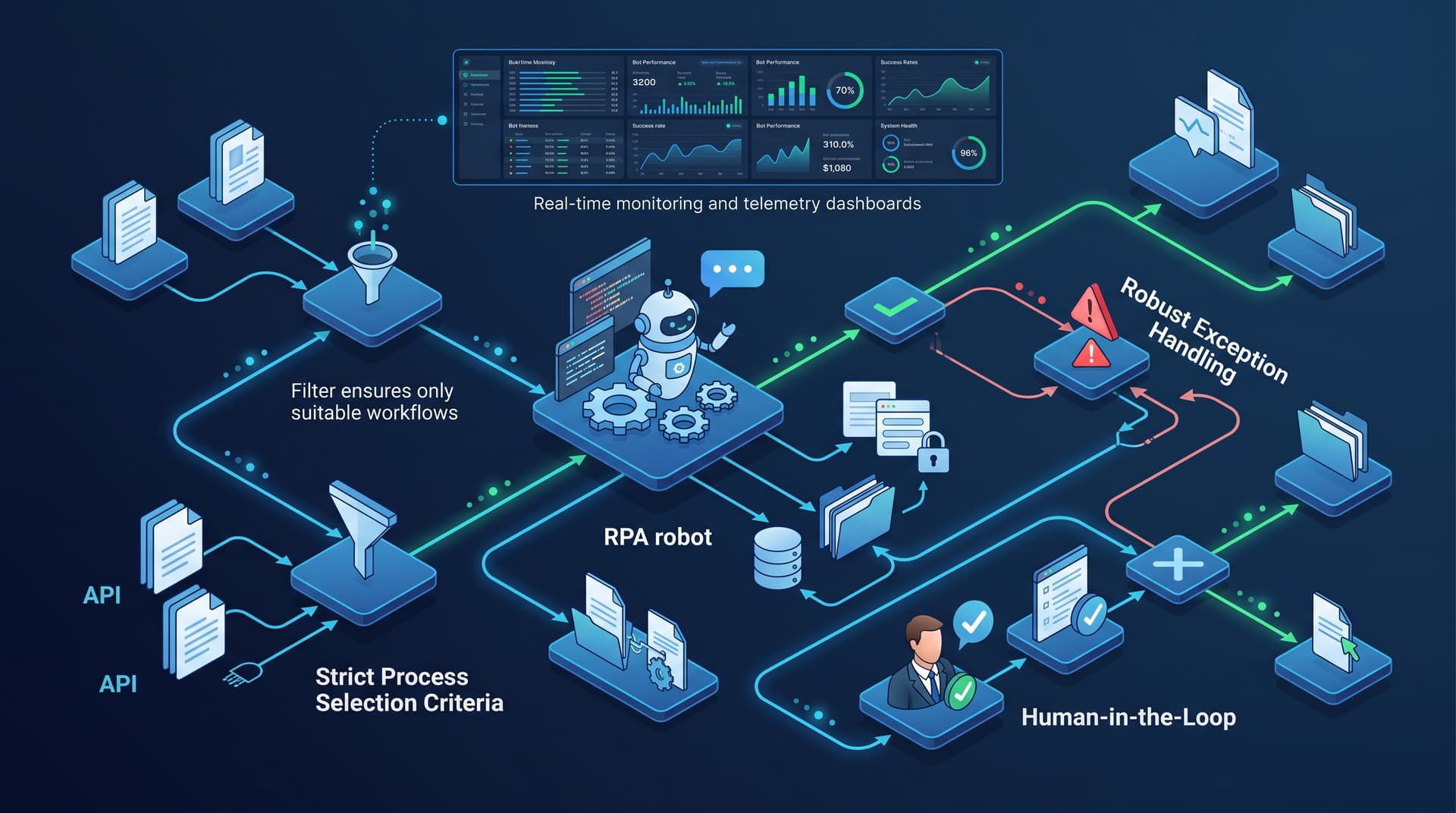
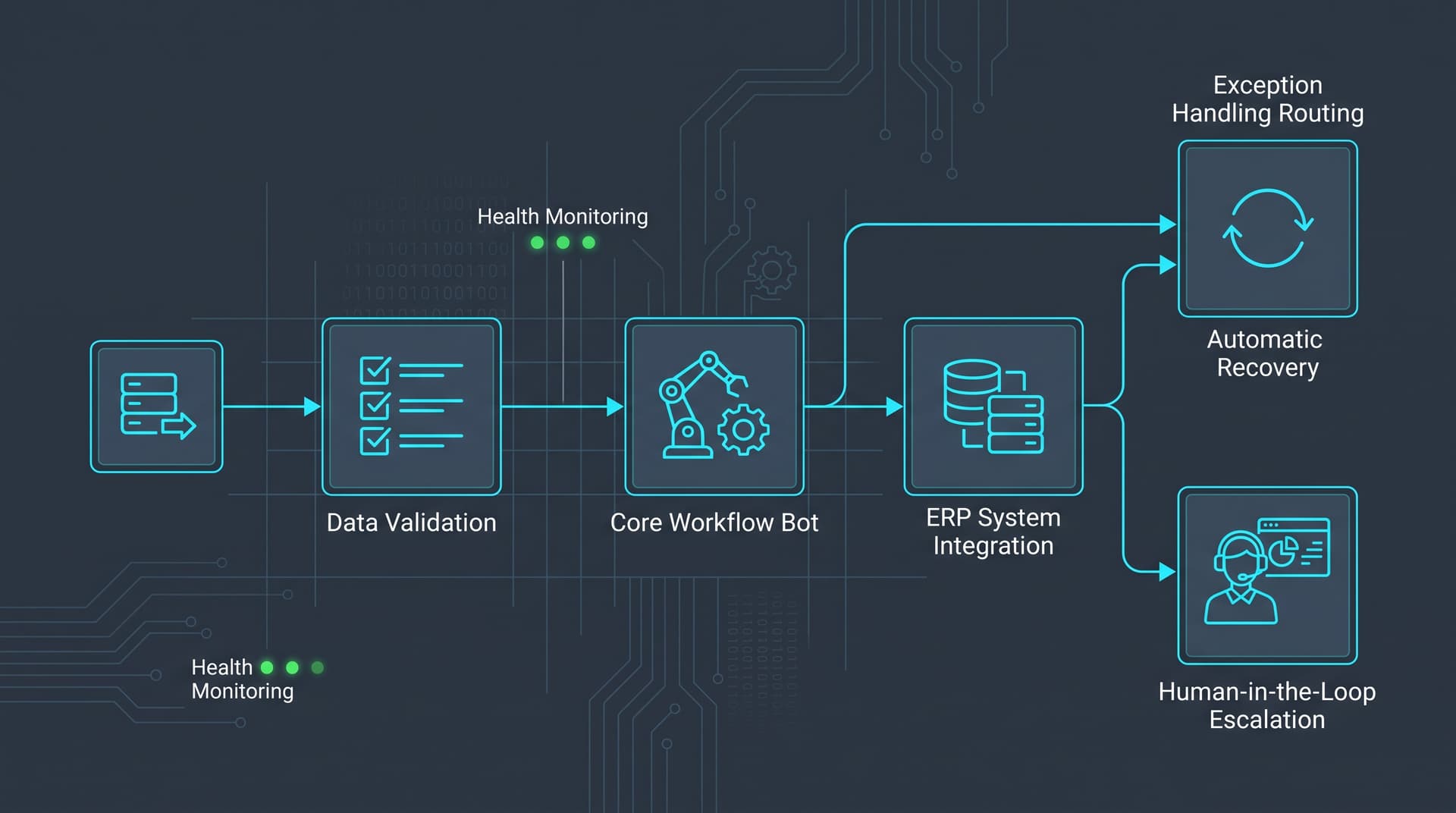
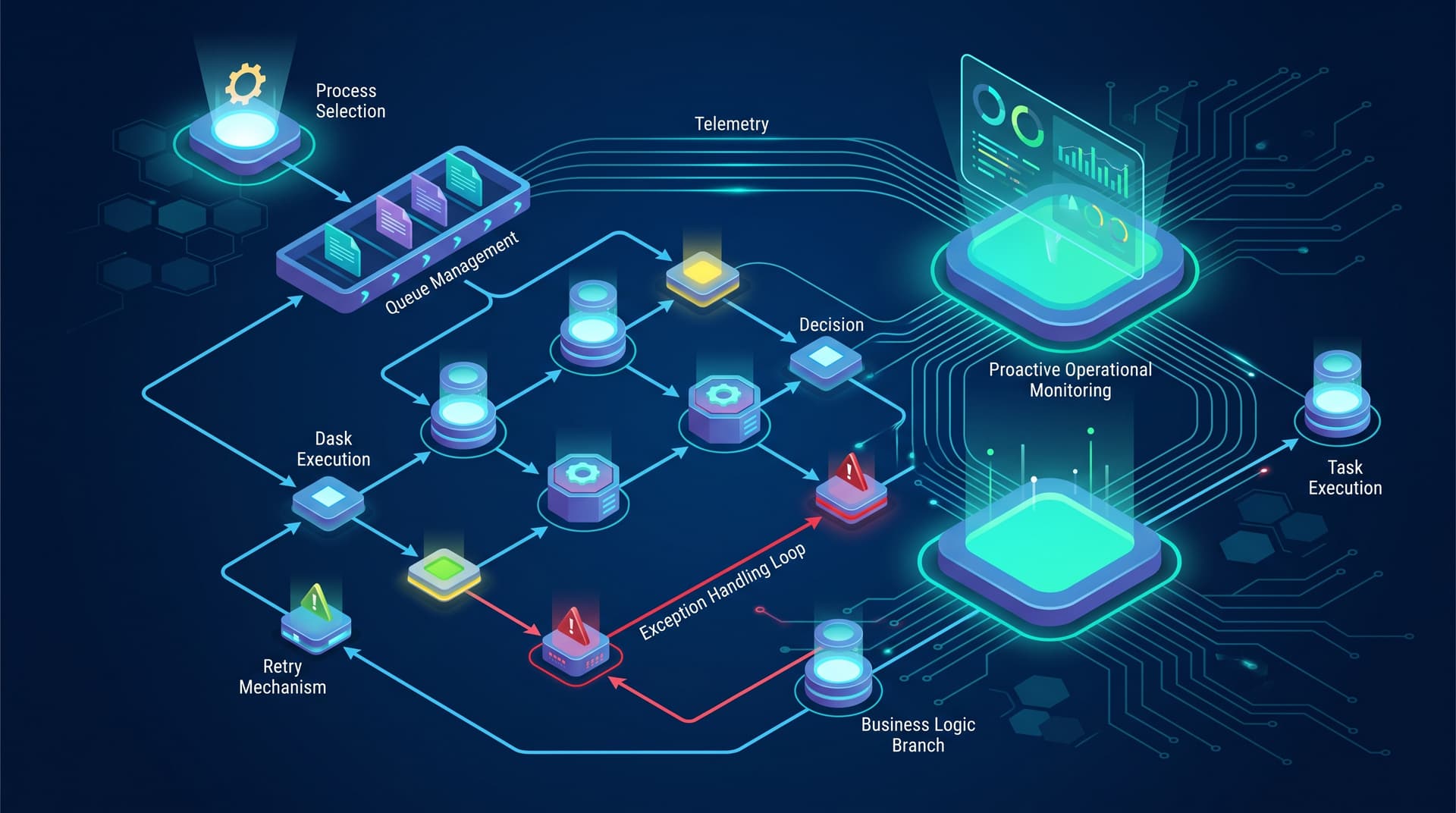
While traditional Robotic Process Automation (RPA) excels at handling repetitive, rules-based tasks, Intelligent Process Automation introduces cognitive capabilities. By integrating machine learning (ML) and AI-driven decision-making into standard RPA, businesses can automate complex workflows that require data interpretation.
For technology decision-makers, this means shifting focus from simple task automation to end-to-end process transformation. IPA systems can read unstructured data, learn from historical outcomes, and adapt to exceptions without requiring constant human intervention.
High-Impact AI Use Cases for SMBs
Different industries require tailored automation strategies to maximize ROI:
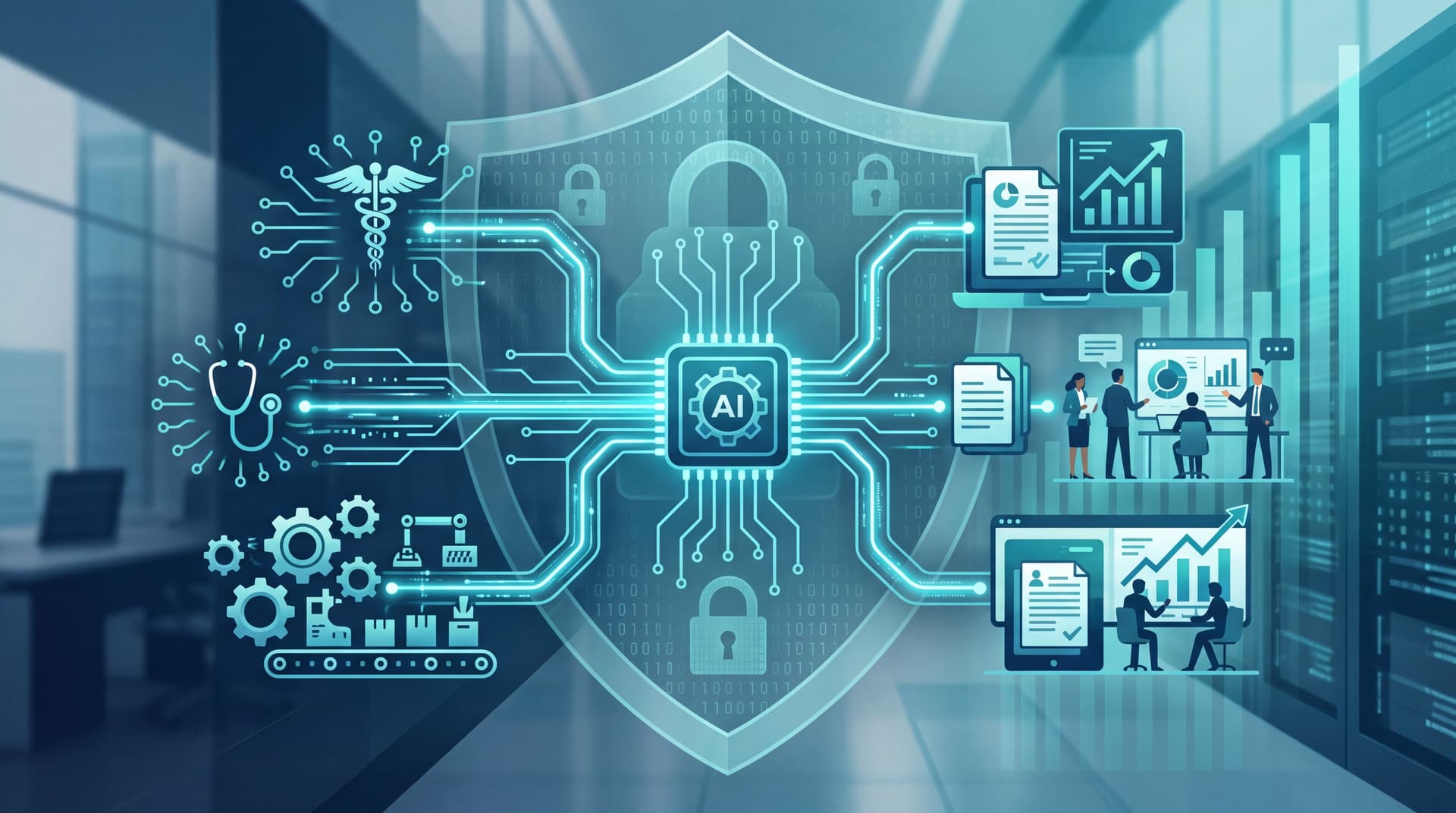
- Healthcare: AI-powered workflow automation is revolutionizing patient management. Clinics and medical practices use IPA to process unstructured intake forms, verify insurance across disparate portals, and utilize predictive ML models to optimize staff scheduling based on patient volume trends.
- Manufacturing: In production environments, intelligent automation links the shop floor to the back office. Machine learning algorithms analyze supply chain fluctuations to automate procurement, while AI-driven computer vision systems enhance automated quality control and defect detection.
- Professional Services: Legal, financial, and consulting firms are leveraging AI to automate document processing and compliance tracking. IPA can extract key clauses from contracts, cross-reference them against regulatory databases, and automatically flag anomalies for human review.
Securing AI Adoption: Zero Trust and Azure M365
The most significant barrier to AI adoption in the mid-market is data security. Because AI and machine learning models require access to vast amounts of organizational data to function effectively, they inherently expand the attack surface. Implementing these tools without a robust security framework is a critical risk.
This is where a Zero Trust architecture becomes non-negotiable. By operating on the principle of "never trust, always verify," Zero Trust ensures that AI applications and automated workflows only access the specific data they need, exactly when they need it.
Furthermore, leveraging the Azure M365 ecosystem provides a secure foundation for AI integration. Tools like Microsoft Purview work seamlessly with AI-driven workflows to classify and protect sensitive information. Azure's built-in compliance frameworks ensure that whether an AI agent is processing patient health information (PHI) or proprietary manufacturing schematics, data governance policies are strictly enforced.
Driving the Future of Your Operations
Implementing AI and intelligent automation is no longer a future aspiration; it is a current necessity for scaling operations and maintaining competitive advantage. By focusing on practical use cases and anchoring these initiatives in robust Zero Trust security frameworks, SMBs can achieve sustainable, secure growth.
Ready to explore how Intelligent Process Automation can transform your specific operational workflows? Book a discovery call with Bitscaled today to build your secure, AI-driven future.